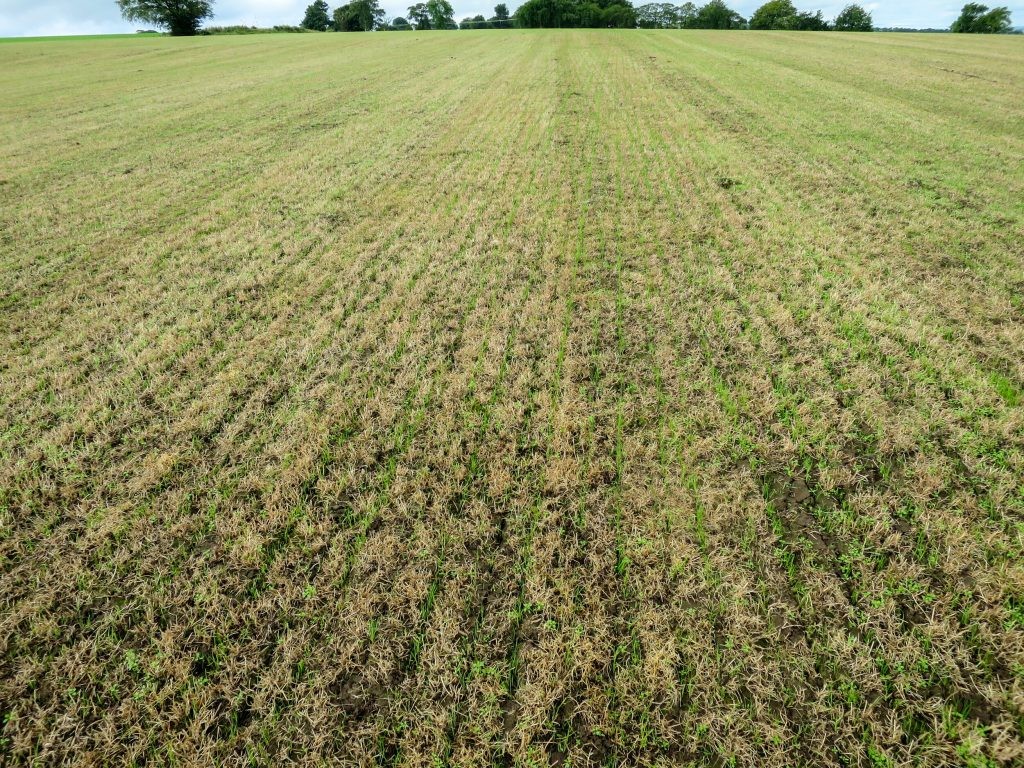
Traditionally, ploughing has been the go-to method for grassland reseeding. However, direct drilling is gaining traction among farmers seeking efficiency, cost-effectiveness, and environmental benefits. Let’s delve into why direct drilling might be the optimal choice for your grassland management.
A few things have changed in recent years which is leading many farms to look at different crop establishment methods. These include a growing shortage of labour, high fuel prices, high machinery prices and the growing demand from governments and consumers to preserve soil health to name a few. These factors are all driving more interest from farmers to look for alternative ways to reseeding their grassland without ploughing.
Time Efficiency: Direct drilling streamlines the reseeding process by eliminating the need for ploughing and multiple cultivations, allowing seeding in a single pass.
Cost Reduction: Fewer passes mean less fuel consumption and reduced machinery wear, leading to significant cost savings.
Soil Preservation: By minimizing soil disturbance, direct drilling helps maintain soil structure, enhances organic matter retention, and reduces erosion risks.
Improved Moisture Retention: Leaving crop residues on the surface aids in conserving soil moisture, crucial for seed germination and growth.
Flexibility in Seeding: Direct drilling allows for timely seeding, even in less-than-ideal weather conditions, ensuring optimal planting windows are not missed.
Reduced Field Downtime: Fields can return to grazing sooner due to minimal soil disruption, maintaining productivity during reseeding periods.germinal.ie
While direct drilling offers numerous benefits, certain practices can enhance its effectiveness:
Pre-Drilling Preparation: Ensure existing grass is grazed or cut short before drilling to reduce competition and improve seed-to-soil contact.Farmers Weekly
Equipment Selection: Choose drills suited to your soil type and conditions. For instance, tine drills are effective in breaking through residue, while disc drills are preferable in no-till systems.
Soil Fertility Management: Conduct soil tests to determine nutrient needs and apply appropriate fertilisers to support new seedling growth.
Direct drilling aligns with sustainable farming practices by promoting soil health, reducing carbon emissions through lower fuel use, and enhancing biodiversity. Adopting this method contributes to long-term farm resilience and environmental stewardship.